When selecting small animal food, you must carefully evaluate various factors to ensure your furry friend receives the best nutrition tailored to their needs. From understanding the specific dietary requirements of different small animal species to considering their age, life stage, and any existing health conditions, making informed choices about their diet is crucial. However, there is one aspect often overlooked that can significantly impact your pet’s overall health and well-being. Curious to know what it is?
Small Animal Species Requirements
Understanding the specific dietary needs of different small animal species is crucial for selecting the appropriate food for your pet. Each species has unique requirements that must be met to ensure they stay healthy and happy. For example, hamsters are omnivores, so their diet should include a mix of seeds, grains, fruits, and vegetables. Guinea pigs, on the other hand, are herbivores and require a diet high in Vitamin C, such as hay, pellets, and fresh vegetables.
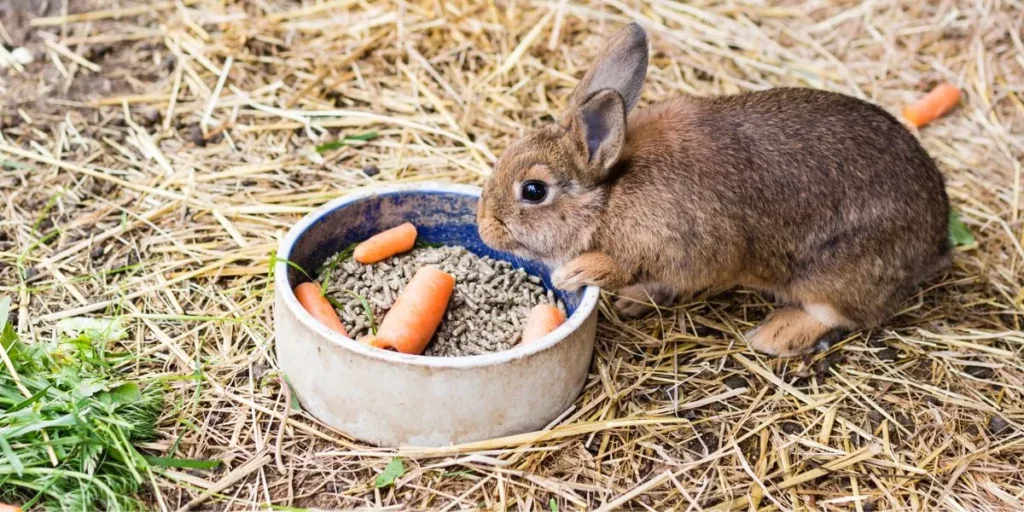
When choosing food for your small animal, consider their natural diet in the wild. For instance, rabbits primarily eat grass and leafy greens, so a diet rich in fiber is essential for their digestive health. Mice and rats are scavengers and need a balanced diet of grains, fruits, and vegetables.
Nutritional Content and Ingredients
To ensure your small animal’s optimal health, it’s important to pay attention to the nutritional content and ingredients in their food. When selecting small animal food, always check the label for essential nutrients like proteins, fats, fiber, vitamins, and minerals. Look for high-quality ingredients such as whole grains, fruits, vegetables, and proteins like meat or insects, depending on your pet’s dietary needs.
Avoid foods with excessive fillers like corn, wheat, or soy, as these may provide empty calories and lack the necessary nutrients for your small animal. Ensure that the food is specifically formulated for your pet’s species to meet their unique nutritional requirements. Additionally, be cautious of artificial colors, flavors, and preservatives that could potentially harm your small animal’s health in the long run.
To maintain a balanced diet for your small animal, consult with a veterinarian or small animal nutritionist to determine the best food options based on your pet’s individual needs. Remember, a well-rounded diet with high-quality ingredients will contribute to your small animal’s overall well-being and longevity.
Age and Life Stage Considerations
Considering your small animal’s age and life stage is crucial when selecting the right food to meet their specific nutritional needs. Just like humans, small animals have different dietary requirements at various stages of life. Young animals, such as puppies, kittens, or baby rabbits, need food that supports their rapid growth and development. Look for options labeled as ‘puppy,’ ‘kitten,’ or ‘growth’ to ensure they receive the necessary nutrients.
Adult small animals, on the other hand, require a balanced diet to maintain their overall health and energy levels. Choose foods labeled as ‘adult’ or ‘maintenance’ for your adult furry friend. These formulas are designed to keep them healthy and active.
For senior small animals, specialized diets are available to address their changing nutritional needs. Foods labeled as ‘senior’ or ‘mature’ often contain ingredients that support joint health and maintain a healthy weight.
Health Conditions and Special Needs
When selecting food for your small animal, take into account any health conditions or special needs they may have. If your pet has specific health issues such as dental problems, obesity, or allergies, choosing the right food is crucial for their well-being. For dental health, opt for foods that require more chewing to help with teeth cleaning. In the case of obesity, look for low-calorie options or ones specifically designed for weight management. Allergies can be managed by selecting foods that are free from common allergens such as certain grains or proteins.
Small animals with diabetes require a diet low in sugars and high in fiber to regulate blood glucose levels. For animals with kidney disease, foods with controlled levels of protein, phosphorus, and sodium are essential to ease the kidneys’ workload. If your pet is recovering from surgery or illness, consider specially formulated recovery diets that promote healing and provide easily digestible nutrients. Always consult with your veterinarian to determine the most suitable diet for your small animal’s specific health needs.
Pet supplies