
When it comes to providing the best filtration for your freshwater fish, it’s crucial to consider various factors like tank size and the specific needs of your aquatic inhabitants. Different types of filters offer unique benefits, but which one is the most suitable choice? Before making your decision, think about the importance of water quality and the overall well-being of your fish. By understanding the role of filtration systems in maintaining a healthy aquatic environment, you can make an informed choice that promotes the longevity and vibrancy of your freshwater fish.
Types of Aquarium Filters
When choosing the right aquarium filter for your freshwater fish tank, considering the various types available is crucial. Each type of filter serves a specific purpose in maintaining water quality and keeping your fish healthy. The most common types of aquarium filters include sponge filters, hang-on-back filters, canister filters, and internal filters.
Sponge filters are great for small tanks and shrimp tanks due to their gentle filtration. They work by pulling water through a sponge that traps debris and provides a surface for beneficial bacteria to grow.
Hang-on-back filters are easy to install and maintain, making them ideal for beginners. They hang on the back of the tank and use cartridges to filter out impurities.
Canister filters are powerful and suitable for larger tanks. They provide mechanical, biological, and chemical filtration by passing water through different media trays.
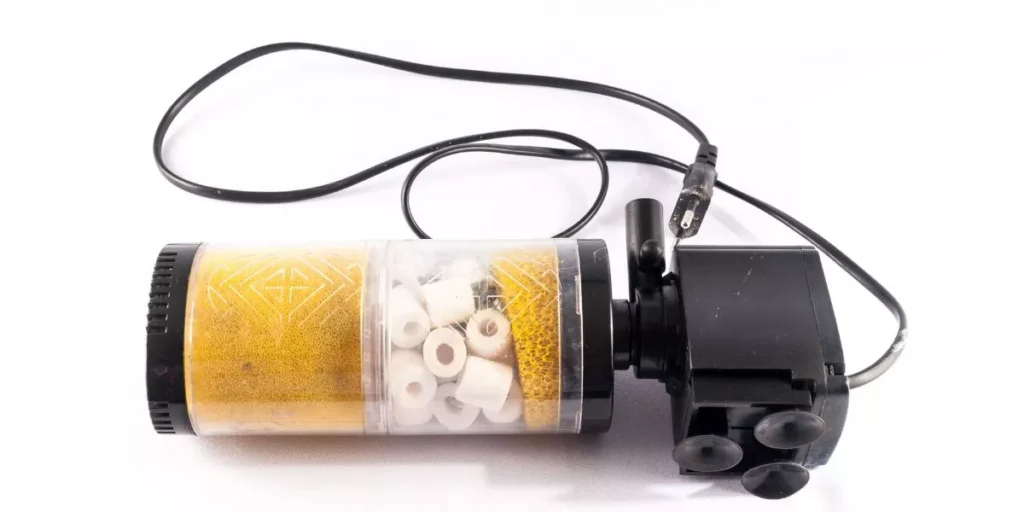
Internal filters are compact and versatile, perfect for small tanks or as supplementary filtration. They sit inside the tank and are easy to conceal.
Understanding the different types of aquarium filters will help you choose the best option for your freshwater fish tank’s specific needs.
Mechanical Filtration Systems
To enhance the effectiveness of your freshwater fish tank’s filtration system, consider implementing Mechanical Filtration Systems. These systems work by physically trapping debris and waste particles from the water as it passes through the filter media. Mechanical filters typically consist of a sponge, filter floss, or other porous material that catches large particles like uneaten food, fish waste, and plant debris. By removing these particles, mechanical filtration helps prevent the build-up of harmful substances and keeps your aquarium water clean and clear.
When choosing a mechanical filtration system for your freshwater fish tank, look for one that’s easy to clean and maintain. Regularly rinsing or replacing the filter media is essential to ensure optimal performance. Additionally, consider the flow rate of the filter to make sure it’s suitable for your tank size and the number of fish you have.
Biological Filtration Options
Consider exploring various biological filtration options to enhance the health and balance of your freshwater fish tank ecosystem.
Biological filtration plays a crucial role in maintaining water quality by breaking down harmful ammonia and nitrite into less toxic nitrate through the nitrogen cycle. One popular biological filtration option is the use of bio-sponges or bio-wheels, which provide a large surface area for beneficial bacteria to thrive and convert toxins.
Another effective method is the use of live plants in your aquarium, as they absorb nitrates and provide natural filtration. Additionally, adding ceramic rings or bio balls to your filter can create more surface area for beneficial bacteria to colonize and aid in biological filtration.
Remember to avoid cleaning your biological media too frequently, as it can disrupt the bacterial colonies essential for maintaining water quality.
Chemical Filtration Methods
Explore the use of activated carbon and chemical filter media as effective methods for enhancing water quality in your freshwater fish tank.
Activated carbon is a common chemical filtration method used in aquariums to remove impurities and odors from the water. It works by adsorbing dissolved organic compounds, pollutants, and medications, helping to keep the water clean and clear.
Additionally, chemical filter media like resins can target specific substances such as ammonia, nitrites, and heavy metals, providing further support in maintaining a healthy aquatic environment for your fish.
When utilizing chemical filtration methods, it’s important to replace the activated carbon and other filter media regularly to ensure their effectiveness. Follow the manufacturer’s recommendations for replacement intervals to prevent the accumulation of harmful substances in the water.
Choosing the Right Filter for Freshwater Fish
When selecting a filter for your freshwater fish tank, prioritize efficiency and compatibility with the specific needs of your aquatic environment. Consider the size of your tank and the type of freshwater fish you have. For smaller tanks, hang-on-back filters or sponge filters are effective choices. These filters provide mechanical and biological filtration, keeping the water clean and safe for your fish. Canister filters are suitable for larger tanks, offering high filtration capacity and customizable media options.
Ensure the filter flow rate is appropriate for your fish. Some freshwater species prefer gentle water movement, while others thrive in stronger currents. Adjustable flow filters give you the flexibility to cater to your fish’s preferences. Additionally, choose a filter that’s easy to maintain. Regular cleaning and media replacements are essential for optimal filter performance and water quality.
Ultimately, the right filter for your freshwater fish tank will promote a healthy and thriving aquatic environment. By considering your tank size, fish species, flow rate, and maintenance requirements, you can select a filter that meets your specific needs.
Pet supplies