You might have heard various myths about plant care that have been circulating for years. Some of these misconceptions can impact how you care for your plants. But have you ever wondered if they were actually true? What if some of the common beliefs you’ve held dear about plant care turned out to be inaccurate? Stay tuned to uncover the truth behind these myths and learn the real secrets to nurturing your green companions.
Watering Plants at Night Kills Them
You’ve probably heard that watering plants at night kills them, but let’s debunk this common myth. Contrary to popular belief, watering your plants in the evening won’t necessarily harm them. In fact, it can be beneficial in certain circumstances. During hot summer days, watering at night can help reduce water evaporation, ensuring that your plants receive an adequate amount of moisture. However, there are some caveats to keep in mind.
Plants that are prone to fungal diseases, such as powdery mildew, are best watered in the morning. This allows the foliage to dry out during the day, reducing the risk of fungal growth. Additionally, if your area experiences cool, humid nights, watering at night may promote fungal infections. It’s essential to strike a balance and consider the specific needs of each plant.
Ultimately, the key to successful plant care is understanding the individual requirements of your green companions. So don’t be afraid to water your plants at night when necessary, just be mindful of the potential risks and adjust your watering schedule accordingly.
Plants Thrive With Music
Watering your plants at night may not be harmful, but have you ever considered if plants thrive with music?
While it may sound like a whimsical idea, some studies suggest that playing music for your plants can have a positive impact on their growth. The concept of music affecting plant growth, known as ‘plant bioacoustics,’ is still a topic of debate among scientists. However, some researchers believe that certain frequencies and vibrations produced by music can stimulate plant growth by encouraging nutrient uptake and enhancing metabolic processes.
Classical music, in particular, is often recommended for plants due to its soothing and harmonious melodies. Plants are believed to respond positively to music by showing increased growth, stronger roots, and overall healthier development.
All Plants Need Fertilizer
Fertilizer is often touted as essential for plant growth, but do all plants truly need it to thrive? While fertilizer can be beneficial for many plants by providing essential nutrients, not all plants require regular fertilization. Some plants are adapted to thrive in nutrient-poor environments and can actually be harmed by an excess of fertilizer.
Plants like succulents, cacti, and certain types of orchids are examples of plants that are accustomed to surviving in low-nutrient conditions. These plants have developed specialized mechanisms to extract and store nutrients efficiently without the need for frequent fertilization. In fact, over-fertilizing these plants can lead to nutrient imbalances, root damage, and even death.
Before reaching for the fertilizer, it’s important to research the specific needs of your plants. Understanding the natural habitat and nutritional requirements of your plants will help you determine whether fertilization is necessary for their optimal growth. Remember, when it comes to plant care, sometimes less is more.
Brown Tips Mean Overwatering
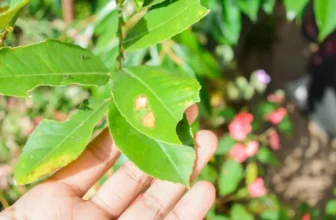
If your plant’s tips are turning brown, it doesn’t always mean overwatering is the culprit. While overwatering can lead to brown tips due to root rot, several other factors could be causing this issue. Brown tips can also result from underwatering, low humidity levels, excessive sunlight exposure, or even the build-up of salts in the soil from hard water or over-fertilization.
To determine the actual cause of the brown tips, assess your plant’s watering schedule first. Stick your finger into the soil to check for moisture levels before watering. Ensure your plant is placed in an area with adequate humidity or consider using a humidifier. If your plant is getting too much direct sunlight, try moving it to a spot with indirect light. Additionally, consider flushing the soil with distilled water to remove excess salts.
Garden