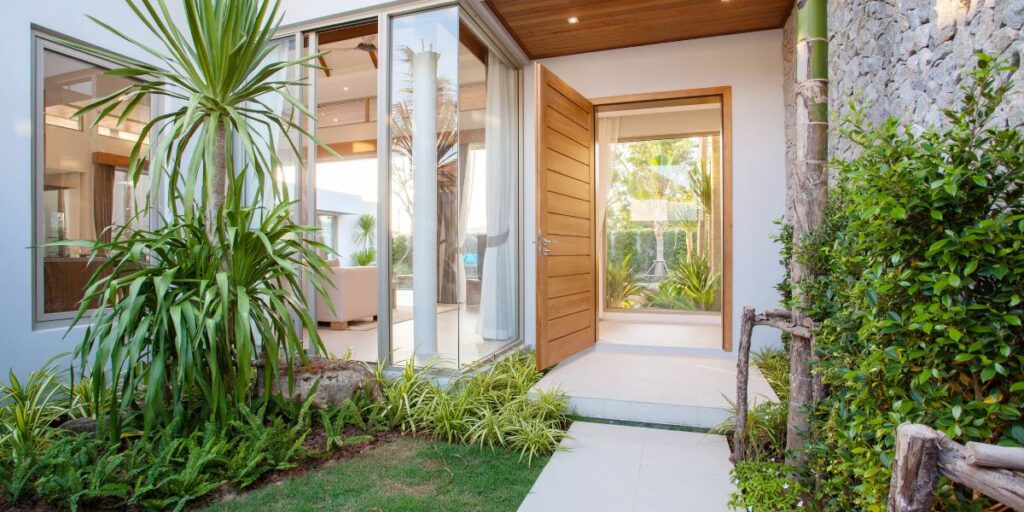
When venturing into garden design as a beginner, you must navigate through a maze of decisions to create a harmonious outdoor space. Understanding the balance between functionality and aesthetics is key, but where do you start? By grasping the fundamental do’s and don’ts, you can avoid pitfalls and set a solid foundation for your garden endeavor. So, how can you ensure your garden thrives amidst the green sea of possibilities?
Planning Your Garden Space
When envisioning your garden space, consider the layout and functionality of the area. Think about how you’ll use the space – whether it’s for entertaining guests, growing your own vegetables, or simply enjoying some quiet time outdoors. Take into account factors like sunlight exposure, soil quality, and access to water sources when planning where to place different elements in your garden.
Start by sketching out a rough design of your garden space, including any existing features like trees, fences, or pathways. This will help you visualize how everything will fit together and make it easier to spot any potential issues before you start planting. Consider creating different zones within your garden for various activities, such as a seating area, a flowerbed, or a vegetable patch.
Remember to leave room for pathways between different sections of your garden to ensure easy access and maintenance. By carefully planning the layout of your garden space, you can create a functional and beautiful outdoor oasis that suits your needs and preferences.
Choosing the Right Plants
Consider selecting plants that thrive in your specific climate and soil conditions for a successful garden design. Research the types of plants that are native to your region or those that are well-suited to the amount of sunlight and water your garden receives. Choose a variety of plants with different colors, textures, and heights to create visual interest.
When selecting plants, pay attention to their growth habits. Some plants spread rapidly and may overtake your garden if not properly managed. On the other hand, slow-growing plants may take longer to fill out your garden but require less maintenance.
Additionally, consider the maintenance requirements of the plants you choose. Some plants are low maintenance and require minimal care, while others need regular pruning, watering, or fertilizing. Make sure you’re willing to dedicate the time and effort needed to keep your chosen plants healthy and thriving.
Remember to consider the mature size of the plants to avoid overcrowding as they grow. Proper spacing will allow each plant to receive adequate sunlight and nutrients for optimal growth.
Implementing Design Elements
To enhance the overall appeal of your garden, strategically incorporating design elements like pathways, focal points, and garden structures can elevate the visual impact of your outdoor space.
Pathways not only provide functional access but also add structure and guide the eye through your garden. Choose materials that complement your overall design, such as gravel for a more natural look or pavers for a formal touch.
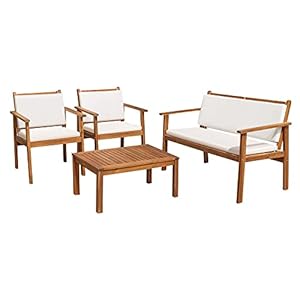
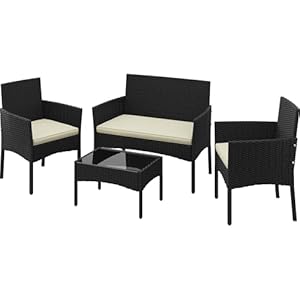
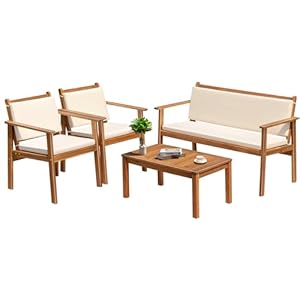
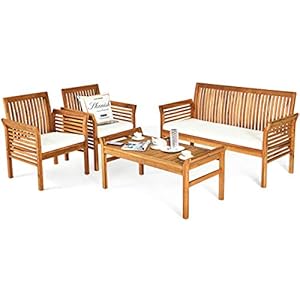
Focal points, like a charming bench, a striking sculpture, or a colorful flower bed, draw attention and create visual interest. Place these focal points strategically to create balance and harmony within your garden design.
Garden structures such as arbors, trellises, or pergolas can add height, dimension, and a vertical element to your garden. They also provide support for climbing plants, adding a dynamic and lush aesthetic to your outdoor space.
Avoiding Common Mistakes
What’re some key pitfalls to steer clear of as you embark on your garden design journey?
When starting out, one common mistake to avoid is overcrowding your garden. It might be tempting to fill every inch of space with plants, but remember that they need room to grow and flourish.
Another misstep is neglecting to consider the sunlight requirements of your plants. Make sure to place sun-loving plants in sunny spots and shade-loving ones in more shaded areas.
Additionally, failing to plan for maintenance is a frequent error. Before planting, consider how much time you can realistically dedicate to caring for your garden.
Ignoring the importance of soil quality is another pitfall. Different plants have different soil needs, so ensure you understand what type of soil each plant requires.
Lastly, not accounting for proper drainage can lead to waterlogged soil and root rot. Be sure to incorporate adequate drainage solutions into your garden design to prevent this issue.
Garden