When it comes to selecting the ideal shampoo for your hair, considering your hair type is crucial. Understanding the specific needs of your hair, whether it’s oily, dry, or somewhere in between, forms the foundation of choosing the right product. By tailoring your shampoo choice to address your hair’s unique characteristics, you can effectively enhance its health and appearance. But how do you navigate through the myriad of options available on the market to pinpoint the perfect match for your hair type?
Hair Type Assessment
Have you ever wondered how to determine your hair type accurately? Understanding your hair type is crucial in choosing the right shampoo that will cater to your specific needs.
To assess your hair type, start by observing how your hair behaves naturally. Is it oily, dry, or a combination of both? Take note of how often you need to wash your hair to keep it looking fresh and clean. Additionally, consider the thickness and texture of your hair. Is it fine, medium, or thick? Does it tend to get frizzy or remain smooth?
These observations will help you categorize your hair into one of the common types: straight, wavy, curly, or kinky. Once you have identified your hair type, you can then select shampoos with ingredients tailored to address your hair’s unique characteristics.
Understanding Ingredients
To understand which shampoo will work best for your hair type, it’s essential to familiarize yourself with the ingredients commonly found in various hair care products. Ingredients play a crucial role in determining how a shampoo will interact with your hair.
For example, if you have dry hair, you may want to look for ingredients like coconut oil or shea butter, which are known for their moisturizing properties. On the other hand, if you have oily hair, you might benefit from shampoos containing tea tree oil or salicylic acid to help control excess oil production.
Some common ingredients to look for in shampoos include sulfates, which create lather but can be drying for some individuals, and silicones, which provide a silky feel but may cause buildup over time. Natural ingredients like aloe vera, argan oil, and keratin can also offer specific benefits based on your hair’s needs.
Matching Products to Hair Needs
Matching your specific hair needs with the right hair care products is crucial for achieving the best results. When selecting shampoo, consider factors like your hair type, concerns, and goals.
For example, if you have oily hair, opt for clarifying shampoos that help control excess oil. Those with dry hair might benefit from moisturizing shampoos with ingredients like coconut oil or shea butter. If you have color-treated hair, look for shampoos specifically formulated to preserve and protect your color.
For those dealing with dandruff or scalp issues, medicated shampoos containing ingredients like tea tree oil or ketoconazole can be effective. If you have fine or thinning hair, volumizing shampoos can help add body and thickness. People with curly or wavy hair may benefit from sulfate-free shampoos that help maintain their natural curl pattern.
Tips for Effective Shampooing
Consider the following tips to ensure effective shampooing that maximizes the benefits of your chosen hair care products.
Firstly, wet your hair thoroughly with warm water before applying shampoo. This helps to open up the hair cuticles and allows the shampoo to lather and cleanse more effectively.
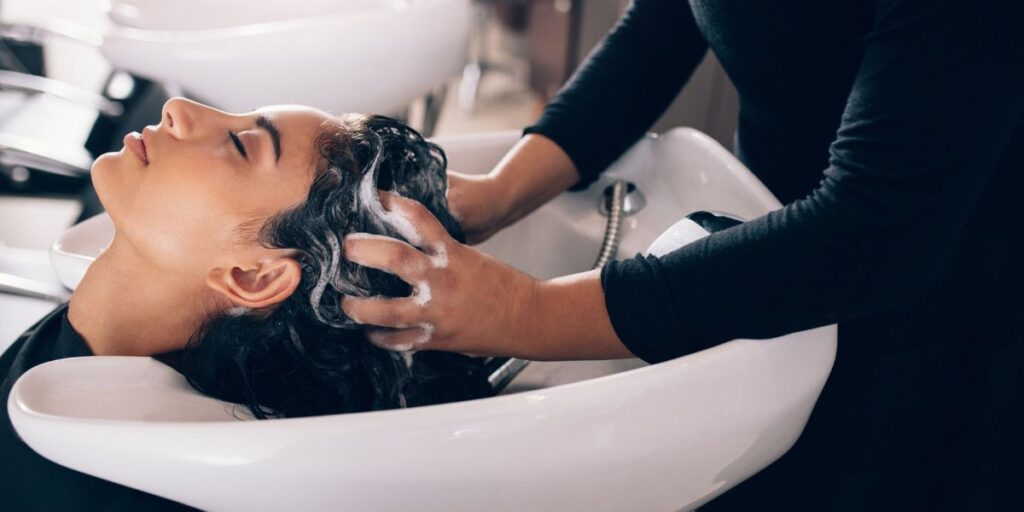
Next, pour a small amount of shampoo into your palm, rub your hands together, and then apply it to your scalp. Gently massage the shampoo into your scalp using your fingertips, not your nails, to avoid any damage. Remember to focus on the roots where dirt, oil, and product buildup tend to accumulate.
After shampooing your scalp, let the suds run down the length of your hair as you rinse it out. Avoid using hot water as it can strip your hair of its natural oils and leave it dry and brittle. Instead, opt for lukewarm or cool water.
Beauty & Personal care