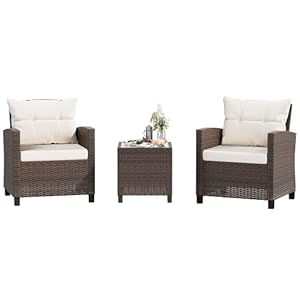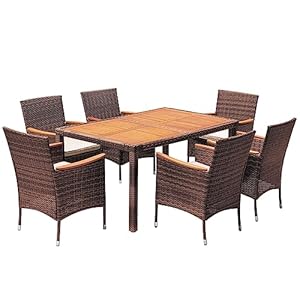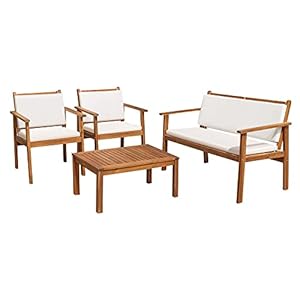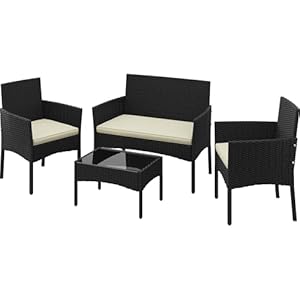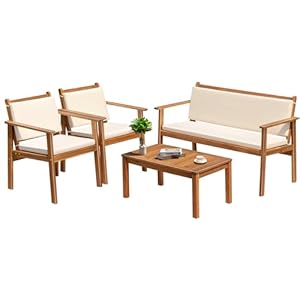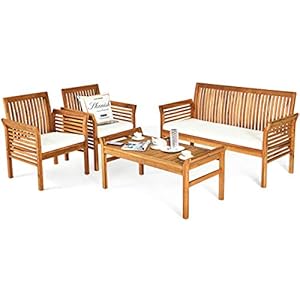
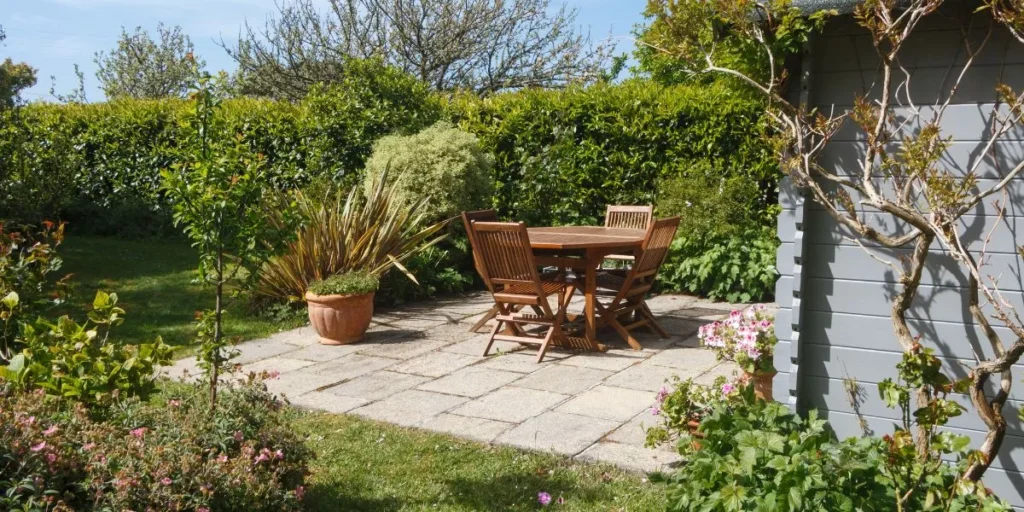
Maintaining your garden furniture is crucial for its longevity and appearance. From cleaning techniques to protective coatings, there are key steps to follow to preserve the beauty of your outdoor pieces. But what about those stubborn stains that won’t budge or the unexpected damages that occur? Stay tuned to discover expert tips that will equip you with the knowledge needed to tackle these challenges effectively and ensure your garden furniture stays in top condition year-round.
Cleaning and Dusting
When maintaining your garden furniture, regularly clean and dust the surfaces to prevent dirt buildup and maintain its appearance. Start by wiping down the furniture with a damp cloth to remove any loose dirt or debris. For tougher stains, mix a mild detergent with water and gently scrub the affected areas. Remember to dry the furniture thoroughly to prevent water damage.
Dusting your garden furniture is essential to keep it looking its best. Use a soft cloth or a feather duster to remove any dust that may have accumulated. Pay special attention to intricate designs or crevices where dust can easily hide. By regularly dusting your furniture, you can prevent a thick layer of grime from forming.
Additionally, consider using a handheld vacuum with a brush attachment to reach tight spaces or corners. This method can help you efficiently remove dust and dirt from areas that are hard to reach with a cloth or duster. Taking these simple steps to clean and dust your garden furniture won’t only enhance its appearance but also prolong its lifespan.
Protective Coating Application
To maintain the longevity and appearance of your garden furniture, applying a protective coating is essential. Protective coatings act as a barrier against elements like sun exposure, moisture, and dirt, helping to prevent damage and extend the life of your furniture. Before applying any coating, ensure that your furniture is clean and dry to allow the coating to adhere properly.
When choosing a protective coating, opt for one specifically designed for outdoor furniture to ensure maximum protection. Look for coatings that provide UV protection to prevent fading and discoloration caused by the sun. Water-resistant coatings are also beneficial in preventing moisture damage, especially for wooden furniture.
Apply the protective coating following the manufacturer’s instructions carefully. Use a brush or a roller to ensure even coverage and don’t forget to coat all exposed surfaces, including hard-to-reach areas. Allow the coating to dry completely before using your furniture again. Regularly inspect your furniture and reapply the protective coating as needed to keep it looking great for years to come.
Repairing Damages
For garden furniture that has suffered damages, addressing the issues promptly can help maintain its overall condition and appearance. Begin by assessing the extent of the damage. For minor scratches or chips, consider using touch-up paint or wood filler to repair the blemishes. Sand down rough edges before applying the touch-up solution for a smooth finish. In the case of more significant damage like broken pieces or structural issues, use wood glue or metal brackets to securely mend the furniture back together. Ensure that all repairs are done in a well-ventilated area and allow sufficient time for the fixes to dry completely before using the furniture again.
Regularly inspect your garden furniture for damages, especially after periods of heavy use or exposure to harsh weather conditions. By promptly addressing any issues that arise, you can prolong the lifespan of your furniture and keep it looking its best for years to come. Remember, taking care of repairs promptly is key to maintaining the overall quality and appearance of your garden furniture.
Seasonal Storage Solutions
Consider storing your garden furniture in a sheltered area during the off-season to protect it from harsh weather conditions and prolong its lifespan. Seasonal storage solutions are crucial to maintaining the quality of your outdoor furniture.
If possible, store items like cushions, umbrellas, and smaller pieces indoors to prevent damage from rain, snow, or extreme temperatures. For larger furniture pieces like tables and chairs, investing in furniture covers can offer added protection during the off-season.
When storing your garden furniture, ensure it’s clean and completely dry to prevent mold or mildew growth. Disassemble any pieces that can be taken apart to save space and make storage easier. Store furniture off the ground to prevent moisture damage, using pallets or stands if needed. Additionally, consider using storage bins or containers to keep smaller items organized and protected.
Garden