When camping, have you ever wondered how to dispose of waste in a way that’s environmentally friendly? Well, there are several practices you can adopt to ensure you leave no trace and minimize your impact on nature. From smart meal planning to utilizing reusable containers and composting organic waste, there are simple yet effective ways to handle waste responsibly. These methods not only benefit the environment but also contribute to a more sustainable camping experience. So, next time you’re out in the wilderness, consider these eco-conscious waste disposal techniques to make a positive difference.
Minimize Food Waste Through Smart Planning
When camping, you can minimize food waste through smart planning. Before your trip, create a detailed meal plan to ensure you only pack the necessary ingredients. Consider portion sizes and pack ingredients that can be used in multiple dishes to avoid unused food. Opt for dried or dehydrated foods that have a longer shelf life and are less likely to spoil quickly. Additionally, try to plan meals that use similar ingredients to prevent excess food items.
During your camping trip, practice proper food storage techniques. Keep perishable items in a cooler with ice packs to maintain freshness. Store food in airtight containers to prevent spoilage and keep pests away. Be mindful of portion sizes when cooking to avoid preparing more food than necessary. If there are leftovers, repurpose them for future meals to reduce waste.
Utilize Biodegradable and Reusable Containers
Consider using biodegradable and reusable containers for your camping trips to reduce environmental impact and promote sustainability. Opt for biodegradable containers made from materials like bamboo, paper, or compostable plastics. These containers break down naturally over time, minimizing harm to the environment.
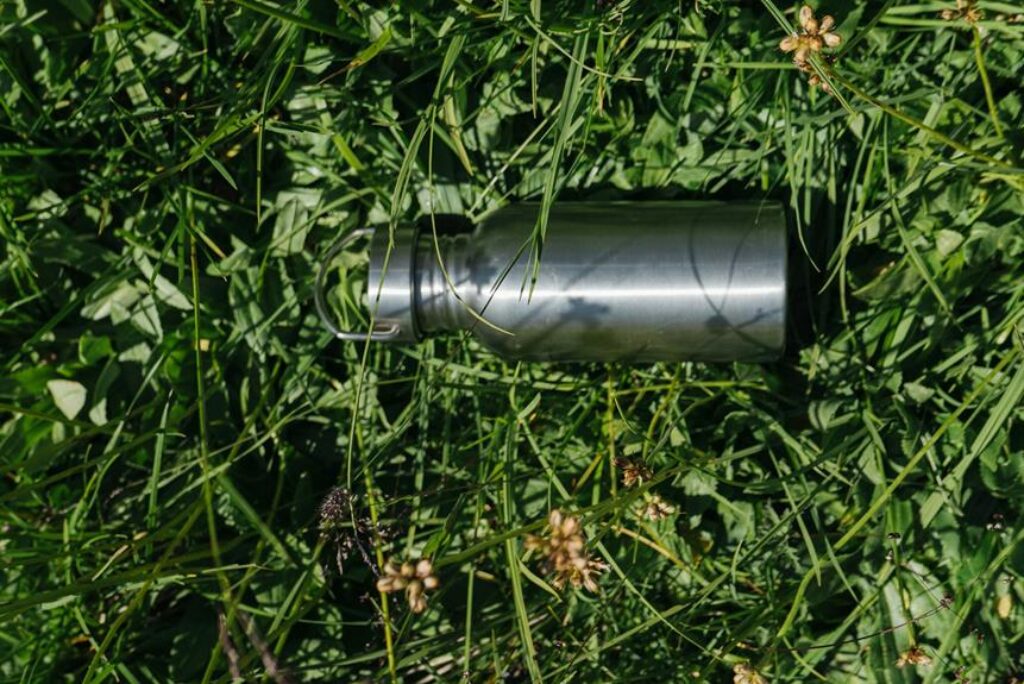
Additionally, invest in reusable containers made of durable materials like stainless steel or silicone. These containers aren’t only eco-friendly but also cost-effective in the long run.
By utilizing biodegradable and reusable containers, you can significantly reduce the amount of waste generated during your camping trip. Pack snacks, meals, and beverages in these containers to avoid single-use plastics and styrofoam. Remember to wash and reuse the containers throughout your trip to further minimize your environmental footprint.
When choosing containers for your camping adventure, prioritize those that are easy to clean and maintain. This ensures that you can reuse them for future trips, reducing the need for disposable alternatives. Embracing biodegradable and reusable containers is a simple yet impactful way to practice eco-friendly camping habits.
Pack Out All Trash and Recyclables
To continue minimizing your environmental impact while camping, ensure you pack out all trash and recyclables responsibly. When you’re out in nature, it’s crucial to leave no trace behind. This means taking all your waste with you when you leave, including any trash and recyclable items.
Carry reusable bags or containers specifically designated for collecting trash and recyclables during your camping trip. Sort your waste accordingly to make recycling easier once you’re back in civilization. Remember, even small items like bottle caps, food wrappers, and plastic utensils can harm wildlife and disrupt the natural environment if left behind.
Before heading out, double-check your campsite and surrounding area for any overlooked items. Leave the place cleaner than you found it by picking up any microtrash or debris. By being diligent about packing out all trash and recyclables, you’re actively contributing to preserving the beauty of the outdoors for future generations to enjoy.
Compost Organic Waste Responsibly
Dispose of organic waste responsibly by setting up a composting system at your campsite. Composting is a natural way to recycle organic materials like food scraps, coffee grounds, and paper products, reducing the amount of waste that ends up in landfills.
To start, designate an area away from your living and cooking spaces for your compost pile. Layer organic waste with dry materials like leaves or shredded paper to promote decomposition and prevent odors. Make sure to turn the compost regularly to aerate it and speed up the process.
Remember not to compost meat, dairy, or oily foods to avoid attracting unwanted pests. When your compost is ready, use it to enrich the soil around your campsite or pack it out if camping in a sensitive environment.
Camping